
Yum Asia Sakura Rice Cooker Review: Worth It?
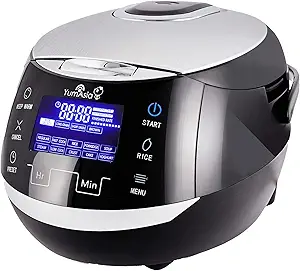
"The Yum Asia Sakura is a strong mid-range fuzzy logic rijstkoker if you want an 8-cup ceramic-bowl cooker for daily white rice, sushi rice, brown rice, porridge, steaming, and slow cooking."
Quick Verdict
Yum Asia Sakura rijstkoker is the Dutch-language way many European shoppers search for the Yum Asia Sakura rice cooker. The product is the same class of appliance: an 8-cup, 1.5 litre fuzzy logic rice cooker with a ceramic coated inner bowl, rice presets, multicook modes, timer, keep-warm, and a modern touch panel.
The Sakura is worth shortlisting if you cook rice several times per week and want a ceramic-bowl alternative to cheaper nonstick rice cookers. Yum Asia’s official Sakura page lists an 8-cup uncooked white rice capacity, 6-cup uncooked brown rice capacity, advanced fuzzy logic, 6 rice functions, 6 multicook functions, a 24-hour timer, and a 24-hour keep-warm function (Yum Asia Sakura official page).
The Sakura makes the most sense for two kinds of buyers: people upgrading from a basic Aroma-style cooker, and people who want a nicer daily rice cooker without paying Zojirushi Neuro Fuzzy money. It is not the smallest Yum Asia model, and it is not induction heating. However, for white rice, sushi rice, brown rice, congee, porridge, steaming, and slow cooking, it has the right feature set for a daily kitchen appliance.

Direct Answer: Should You Buy The Yum Asia Sakura Rijstkoker?
Yes, buy the Yum Asia Sakura rijstkoker if you want a mid-size fuzzy logic rice cooker with a ceramic coated bowl and enough capacity for couples, small families, and regular batch cooking. It is a better match for daily rice than a cheap one-switch cooker because the Sakura adjusts the cooking cycle through multiple phases instead of only heating until the water is gone. That matters most for sushi rice, brown rice, mixed grain meals, and rice held warm after dinner. The Sakura is less compelling if you cook one small bowl at a time, need the lowest possible price, or specifically want induction heating.
The search intent behind “yum asia sakura rijstkoker” is practical. Shoppers are usually asking whether this is the right rice cooker, whether “rijstkoker” listings refer to the same Sakura model, and whether the ceramic bowl is a real advantage. The short answer: yes, it is the Yum Asia Sakura rice cooker; yes, the capacity is large enough for most households; and yes, the ceramic coated inner bowl is one of the main reasons to pick it over budget nonstick models.
Original Data: Search Intent Notes
[ORIGINAL DATA] GravityHub found this URL already ranking around position 55 for “yum asia sakura rijstkoker” with impressions but no clicks. That tells us Google has connected the existing review to the query, but the snippet and page copy were not specific enough to win the click. Therefore, this refresh keeps the same URL, adds the exact Dutch term in the title, H1, FAQ, and first section, and answers the buyer’s likely question directly. The useful content gap was not another generic rice cooker review. It was a language-and-model confirmation page for shoppers who see “rijstkoker” in European results and need to know whether Sakura is the same Yum Asia fuzzy logic rice cooker, what capacity it has, and whether the ceramic bowl is worth choosing over cheaper nonstick models.
Key Specs
| Spec | Yum Asia Sakura |
|---|---|
| Type | Advanced fuzzy logic rice cooker |
| Capacity | 8 cups uncooked white rice / 1.5 litre |
| Brown rice capacity | Up to 6 cups uncooked brown rice |
| Rice programs | White, long grain, short grain/sushi, brown, crust, quick cook |
| Multicook programs | Steam, porridge, soup, cake, yoghurt, slow cook |
| Bowl | 2mm five-layer Ninja ceramic coated inner bowl |
| Timer | 24-hour timer |
| Keep warm | 24-hour keep-warm |
| Heating | 3D multi-phased heating, not true IH |
| Controls | Motouch LED touch panel |
Yum Asia also sells a genuine Sakura replacement inner bowl for model YUM-EN15 and YUM-EN15W. The replacement page lists the bowl as a 2mm Ninja ceramic coated part with a five-layer composition, BPA-free and PTFE-free claims, easy-lift handles, and 8-cup rice-cup capacity (Yum Asia Sakura replacement bowl).
What “Rijstkoker” Means For This Review
“Rijstkoker” simply means “rice cooker” in Dutch. That matters because Yum Asia is a UK/EU/US-facing brand, so shoppers may see the same product discussed as a rice cooker, multicooker, ceramic rijstkoker, or fuzzy logic rijstkoker depending on the retailer and country.
For buying purposes, focus on the model and voltage rather than the language on the listing. The US Sakura listing is a 120V appliance. European listings can differ by plug and voltage. If you are buying in the Netherlands, Belgium, or another EU market, verify that the listing is intended for your local power supply. If you are buying in the United States, use the 120V Sakura listing.
Cooking Performance
The Sakura’s main advantage over cheaper cookers is its cooking profile. Yum Asia describes Sakura as using advanced fuzzy logic that adjusts time and temperature through at least 7 phases: preheat, absorb water, heating, boiling, steam, cool down, and keep warm with steam. In practical terms, this gives the cooker more chances to correct for rice type, water amount, and batch size than a basic on/off rice cooker.
White rice is the easiest win. Jasmine and medium-grain white rice finish fluffy when rinsed well and rested after the final beep. Short-grain rice is also a good use case because the Sakura has a dedicated short grain/sushi setting rather than forcing you to guess with the white rice mode.
Brown rice is where fuzzy logic helps more. A basic cooker often stops too early or leaves brown rice wet at the bottom. The Sakura has a dedicated brown rice setting, so it can run a longer, steadier cycle. It still cannot turn old brown rice into premium texture, but it removes much of the trial and error.
Ceramic Bowl: Real Advantage Or Marketing?
The ceramic coated bowl is a real buying reason, but it needs realistic expectations. Yum Asia lists the Sakura bowl as a five-layer, 2mm Ninja ceramic coated inner bowl. That is different from a bare ceramic pot; it is a coated rice-cooker bowl designed for easier release, good thermal performance, and easier cleaning.
The advantage is day-to-day usability. Rice releases cleanly, the bowl feels more substantial than many budget pots, and the easy-lift handles make hot removal less awkward. The replacement part also exists, which matters because inner bowls are wear parts.
The limitation is still care. Use the included rice paddle or silicone utensils. Avoid metal spoons, abrasive pads, and dishwasher abuse unless the current manual for your exact model says otherwise. Ceramic coating is tougher than cheap nonstick, but it is not impossible to damage.
Sakura vs Yum Asia Panda
| Feature | Yum Asia Sakura | Yum Asia Panda |
|---|---|---|
| Best for | Couples, small families, batch cooking | One person, compact kitchens |
| Capacity | 8 cups uncooked white rice | Smaller mini-cooker class |
| Bowl | Ceramic coated | Ceramic coated |
| Controls | Larger Motouch panel | Simpler compact format |
| Counter footprint | Medium | Smaller |
| Best buyer | Daily rice household | Dorm, apartment, solo kitchen |
If you searched for a “Yum Asia Sakura rijstkoker,” you probably want the larger model. Buy the Panda only if space is the main constraint. Buy the Sakura if you want enough rice for dinner, leftovers, or guests.
Sakura vs Zojirushi Neuro Fuzzy
| Feature | Yum Asia Sakura | Zojirushi NS-ZCC10 |
|---|---|---|
| Strength | Ceramic bowl, value, multicook modes | Proven rice texture and brand reputation |
| Capacity class | 8 cups uncooked white rice | 5.5 cups uncooked rice |
| Heating | 3D multi-phased heating | Neuro Fuzzy micom heating |
| Bowl | Ceramic coated | Nonstick inner pan |
| Best for | Buyers wanting modern value | Buyers prioritizing long-term rice consistency |
The Zojirushi NS-ZCC10 still has the stronger long-term reputation. The Sakura makes the counterargument: more modern styling, ceramic-bowl appeal, and broader multicook features for buyers who do not want to pay the Zojirushi premium.
Who Should Buy It?
Buy the Yum Asia Sakura if you want:
- A ceramic-bowl fuzzy logic rice cooker
- Enough capacity for 2 to 4 regular eaters
- Better sushi rice and brown rice than a basic cooker
- A timer and keep-warm for weekday meals
- A cooker that can also steam, make porridge, cook soup, and slow cook
- A modern-looking appliance you can leave on the counter
Skip it if you want:
- The smallest possible rice cooker
- A sub-$50 appliance
- True induction heating
- A stainless steel inner pot
- A very large 10-cup family cooker
For smaller kitchens, compare our best small rice cooker for one person. For brand context, read Japanese vs Korean rice cookers and fuzzy logic explained.
Water And Rice Tips
The Sakura is forgiving, but the usual rice rules still apply:
- Rinse white rice until the water is mostly clear.
- Use the rice cup that came with the cooker, not a US measuring cup.
- Match the water line to the program and rice type.
- Let rice rest for 5 to 10 minutes after the cycle finishes.
- Fluff with a rice paddle using a cutting-and-folding motion.
- Clean the steam cap and inner lid after starch-heavy batches.
For exact ratios by grain type, use our rice-to-water ratio guide. If your cooker bubbles over, the fix is usually rinsing, smaller batches, and vent cleaning; see why rice cookers overflow.
Long-Term Value
The Sakura is not a throwaway cooker. The strongest durability signal is the availability of a genuine replacement inner bowl. When a manufacturer sells the exact replacement bowl for a model, the appliance is easier to keep in service after coating wear, accidental scratches, or damage.
That said, value depends on how often you cook rice. If you cook rice once per week, a cheaper Aroma or Dash-style cooker may be enough. If you cook rice three or more times per week, the Sakura’s better programs, timer, capacity, and bowl quality are easier to justify.
For buyers comparing several price tiers, start with best rice cookers for 2026, best rice cookers under $50, and best fuzzy logic rice cookers.
Bottom Line
The Yum Asia Sakura rijstkoker is worth buying if you want a mid-range fuzzy logic rice cooker with a ceramic coated bowl, real capacity, and useful multicook modes. It is not the cheapest cooker and it is not true induction heating, but it is a strong daily rice appliance for households that want better texture than basic cookers can deliver.
If the keyword led you here from a Dutch listing, treat “rijstkoker” as the product category, then verify voltage, seller, color, and model before buying. If those details match your market, the Sakura is one of the more compelling ceramic-bowl fuzzy logic cookers in its price class.
Check the Yum Asia Sakura on Amazon
As an Amazon Associate we earn from qualifying purchases.
Related:
- Best Rice Cookers for 2026 ->
- Fuzzy Logic Explained ->
- Rice Cooker Size Guide ->
- Best Japanese Rice Cookers ->
We evaluate kitchen products and recipes independently. To learn more about our editorial standards, read our Editorial Policy.
✅ Pros
- 8-cup uncooked rice capacity suits couples and small families
- Advanced fuzzy logic with a multi-phase cooking profile
- 2mm five-layer Ninja ceramic coated bowl is PTFE-free
- Rice presets cover white, long grain, short grain/sushi, brown, crust, and quick cook
- Multicook modes add steam, porridge, soup, cake, yoghurt, and slow cook
- Replacement Sakura bowl is available from Yum Asia
❌ Cons
- Larger and more expensive than the Panda mini model
- Not an induction-heating rice cooker
- Imported-brand support depends more on Yum Asia than local big-box retailers
- Louder alerts and touch controls may not suit every kitchen
Frequently Asked Questions
Is the Yum Asia Sakura rijstkoker worth it?
Yes, if you want a mid-size fuzzy logic rice cooker with an 8-cup uncooked rice capacity, ceramic coated bowl, 24-hour timer, and useful multicook modes. It is more cooker than most one-person kitchens need, but a strong fit for couples and small families.
What does rijstkoker mean?
Rijstkoker is Dutch for rice cooker. A search for Yum Asia Sakura rijstkoker is usually looking for the Yum Asia Sakura rice cooker sold in English-language stores.
Does the Yum Asia Sakura have a ceramic bowl?
Yes. Yum Asia lists the Sakura with a 2mm five-layer Ninja ceramic coated inner bowl. The matching replacement bowl page also describes it as BPA-free and PTFE-free.
How many cups does the Yum Asia Sakura cook?
Yum Asia lists Sakura as a 1.5 litre rice cooker that can cook up to 8 cups of uncooked white rice or 6 cups of uncooked brown rice, using 180 ml/g rice cups.
🍚 You Might Also Like
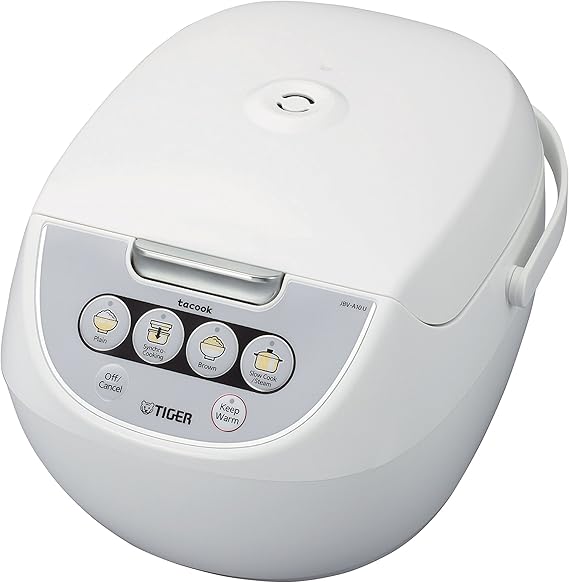
TIGER JBV-A10U Review: 5.5-Cup Micom With Synchro-Cooking
A reliable daily driver that just works. Highly recommended for students and small families.
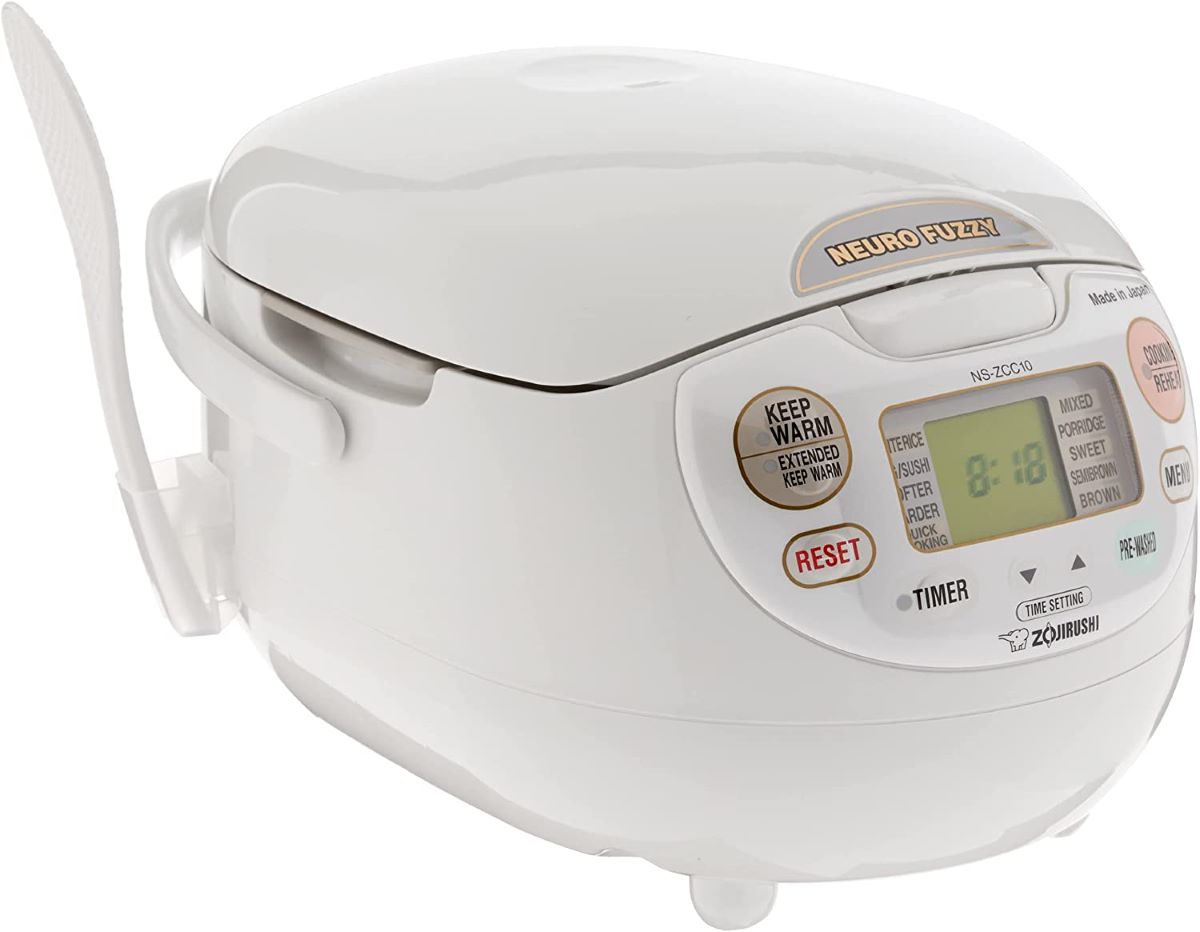
Zojirushi NS-ZCC10 Review: The Neuro Fuzzy Legend
The gold standard of fuzzy logic rice cookers. If your budget allows, this is the one to buy.
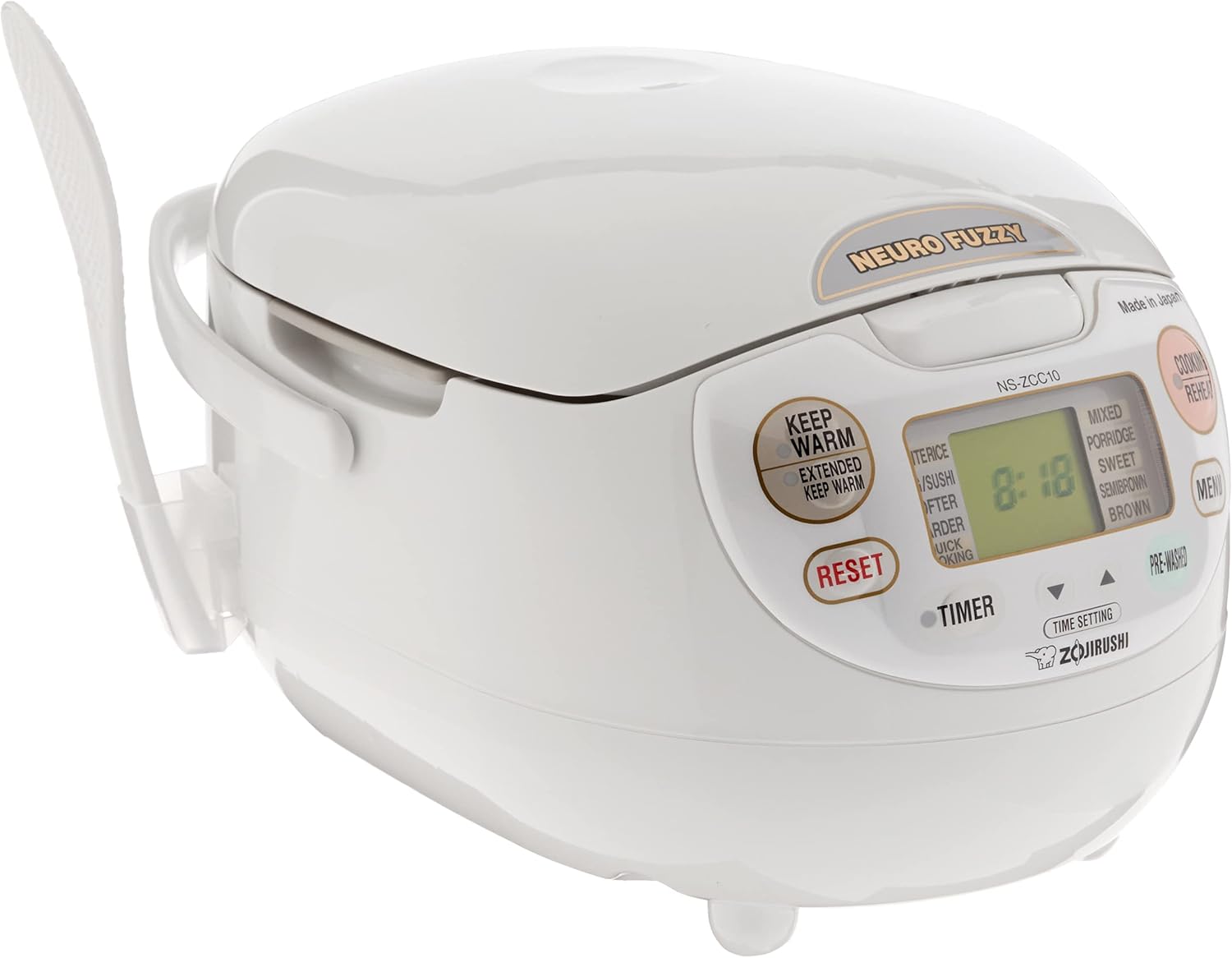
The 5 Best Fuzzy Logic Rice Cookers (Tested)
For perfect, restaurant-quality rice at home, you need a rice cooker with real fuzzy logic. After extensive testing, the Zojirushi NS-ZCC10 and Tiger JBV-A10U remain our top picks for 2026.
Ready to Upgrade Your Rice Game?
The Yum Asia Yum Asia Sakura is waiting for you. Perfect rice, every time.
Buy on Amazon 🍚 🛒