Rice Mastery: The Complete Guide to Perfect Rice Every Time
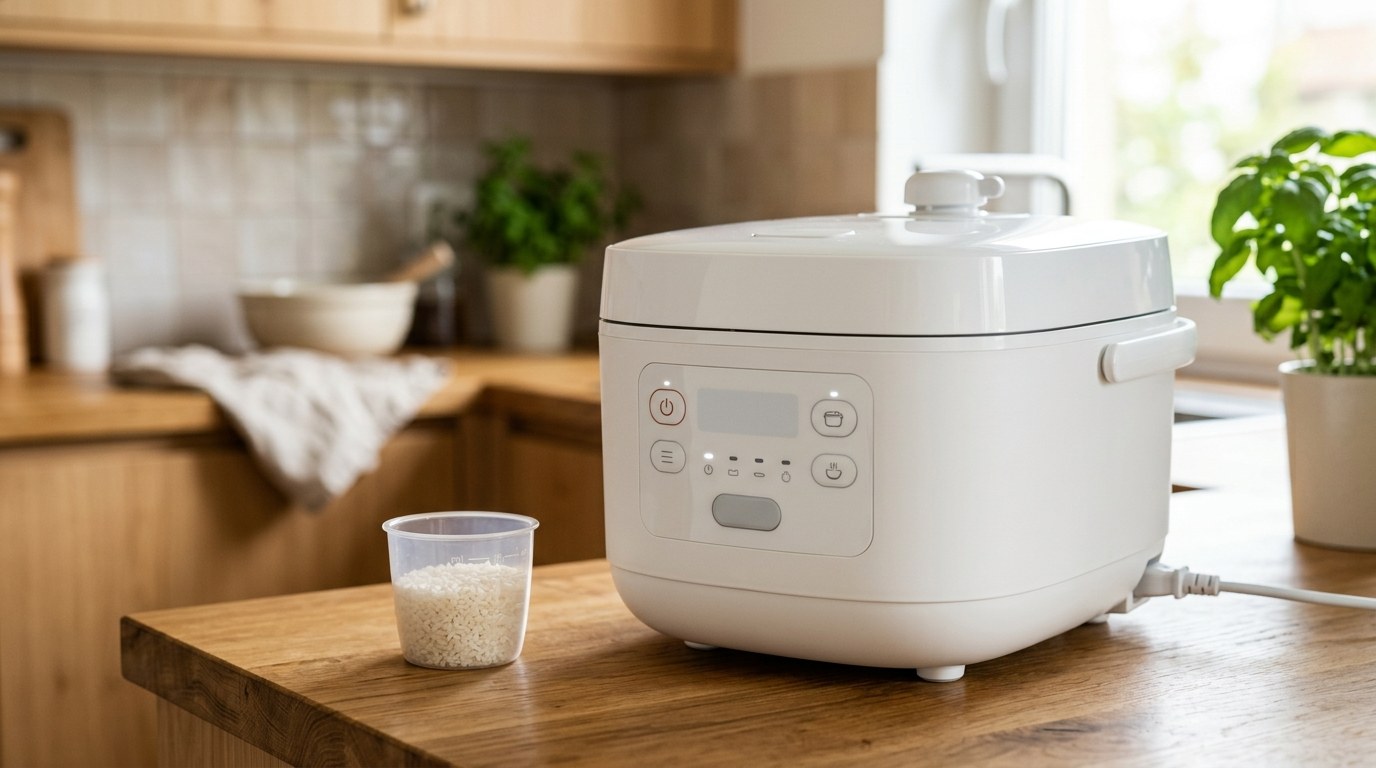
Master healthy rice protocols, flavor infusion, troubleshooting, and appliance care.
Your Journey to Rice Mastery Starts Here
Most people think cooking rice is simple; measure, add water, press a button. And for basic white rice, that’s mostly true. But mastery means understanding the science well enough to break the rules intentionally: infusing flavors into the grain itself, adjusting textures for specific dishes, and keeping your cooker running perfectly for a decade or more.
This guide covers everything from healthy rice protocols to advanced flavor techniques, organized so you can jump to exactly what you need.

Part 1: Healthy Rice Protocols
Reducing Arsenic in Rice
Rice absorbs arsenic from soil and water more than almost any other grain. While the levels in commercial rice are generally safe, you can reduce exposure by up to 80% with proper preparation:
-
Rinse thoroughly: Wash rice in 3-4 changes of cold water until the water runs mostly clear
-
Soak overnight: Drain the soaking water before cooking (this removes the most arsenic)
-
Cook in excess water: Use a 6:1 water-to-rice ratio, then drain. This “pasta method” removes more arsenic than absorption cooking
-
Choose wisely: Basmati rice (especially from India/Pakistan) tends to have lower arsenic levels than American long-grain rice
For daily rice eaters: If rice is a staple in your household, consider alternating with other grains like quinoa, millet, or farro to reduce cumulative exposure.
Glycemic Index Management
White rice has a high glycemic index (GI ~72), which means it causes rapid blood sugar spikes. You can lower this significantly:
-
Cool and reheat: Cooked rice that’s been refrigerated develops resistant starch, lowering the GI by up to 30%. This is why day-old rice works better for fried rice; and it’s healthier.
-
Add fat during cooking: A teaspoon of coconut oil added to the water reduces digestible starch by up to 60% (Sri Lankan research, 2015).
-
Mix grains: Blending brown rice, quinoa, or barley with white rice lowers the overall GI while maintaining a pleasant texture.
-
Use GABA mode: Some cookers (Cuckoo, Zojirushi) have a GABA brown rice mode that sprouts the grain, increasing gamma-aminobutyric acid and fiber content.
The Perfect Washing Technique
Washing rice isn’t just about cleanliness; it’s about texture control:
-
Place rice in the inner pot and fill with cold water
-
Gently swirl with your hand (don’t scrub aggressively; you’ll break grains)
-
Tilt to drain the cloudy water
-
Repeat 3-4 times until water is only slightly hazy
-
Stop: Perfectly clear water means you’ve washed away too much surface starch, and your rice will lack body
For sushi rice, wash until almost clear. For risotto, don’t wash at all; you need that surface starch for creaminess.
Part 2: Flavor Infusion Techniques
Base Liquid Substitutions
The easiest way to add flavor is to replace some or all of the water:
| Liquid | Ratio (replace water) | Best For |
|--------|----------------------|----------|
| Chicken/veggie broth | 100% | Pilafs, side dishes |
| Coconut milk | 50-100% | Thai, desserts |
| Dashi stock | 100% | Japanese mixed rice |
| Tomato juice/broth | 50% | Mexican rice, jambalaya |
| Beer | 25-50% | Pub-style rice bowls |
Warning: Don’t use dairy milk; it will scorch, curdle, and ruin your inner pot’s coating. Use coconut milk instead.
Aromatics & Whole Spices
Add these before pressing cook for infused flavor:
-
Bay leaf + cardamom pods: Classic Middle Eastern pilaf
-
Lemongrass stalk + pandan leaf: Thai/Southeast Asian fragrance
-
Garlic cloves (smashed) + butter pat: Universal comfort rice
-
Cinnamon stick + star anise: Chinese-style rice
-
Turmeric + cumin seeds: Indian-inspired golden rice
The “Sous Chef” Layering Method
For rice cookers with a steamer basket:
-
Season and start rice on the bottom
-
Place marinated protein (salmon, chicken thighs) in the steamer basket above
-
The protein drips flavor down into the rice as it cooks
-
Both finish at the same time; a complete meal in one pot
Tiger’s “tacook” system and Cuckoo’s “Open Cooking” mode are specifically designed for this technique.

Part 3: Troubleshooting & Safety
Common Problems & Fixes
| Problem | Likely Cause | Fix |
|---------|-------------|-----|
| Mushy, wet rice | Too much water | Reduce water by 2 tablespoons per cup next time |
| Hard, crunchy rice | Not enough water or opened lid early | Add 2-3 tbsp water, close lid, re-cook 5 min |
| Burnt bottom layer | Old cooker or “too-hot” setting | Clean pot thoroughly; try a lower heat setting |
| Rice sticks to pot | Didn’t rest after cooking | Always let rice sit 10-15 min on “Keep Warm” before opening |
| Bubbling/overflow | Unwashed rice or overfilled pot | Rinse rice thoroughly; never fill past the max line |
| Yellow rice on “Keep Warm” | Left too long (>12 hours) | Rice is safe but stale. Ideal Keep Warm max is 12 hours |
Food Safety Rules
-
The 2-Hour Rule: Cooked rice left at room temperature for more than 2 hours can develop Bacillus cereus toxins. These toxins survive reheating.
-
Refrigerate within 1 hour if not eating immediately. Store in shallow containers for rapid cooling.
-
Reheated rice is safe if it was refrigerated promptly. Microwave with a splash of water and a damp paper towel over the bowl.
-
Keep Warm ≠ food safe forever: Most cookers maintain ~140°F/60°C, which is above the danger zone. But after 12 hours, quality degrades significantly.
For more on this topic, read our Undercooked Rice Safety guide.
Part 4: Appliance Longevity
Cleaning Best Practices
Your rice cooker will last 10-15 years if you treat it right:
-
After every use: Wipe the inner pot, inner lid, and steam vent with a damp cloth
-
Weekly: Remove and wash the inner lid and condensation collector with warm soapy water
-
Monthly: Wipe the heating plate with a damp cloth (make sure it’s unplugged and cool)
-
Never use: Metal utensils, abrasive sponges, or oven cleaner on the inner pot
Inner Pot Care
The non-stick coating is the most vulnerable part:
-
Use wood, bamboo, or silicone utensils only
-
Don’t soak the inner pot overnight; it can weaken the coating
-
If the coating is peeling or flaking, replace the pot (not the whole cooker). Most brands sell replacement inner pots for $20-40
-
Some models (Aroma ARC-753SG, Instant Pot stainless) offer stainless steel inner pots that avoid the coating issue entirely
When to Replace Your Cooker
Signs it’s time for an upgrade:
-
Inner pot coating is extensively peeled and replacement pot is unavailable
-
Heating element is uneven; one side of the rice is always overdone
-
Keep Warm function fails — rice goes cold or overheats
-
Seal gasket is cracked (pressure cookers) — this is a safety issue
A good Micom cooker should last 8-12 years. A premium IH model from Zojirushi or Tiger can last 15+ years with proper care.
For detailed cleaning instructions, check our How to Clean Your Rice Cooker guide.

Quick Reference: Rice Mastery Cheat Sheet
| Skill Level | Focus On | Read Next |
|------------|---------|-----------|
| Beginner | Water ratios, basic washing | Rice Ratio Guide |
| Intermediate | Flavor infusion, grain selection | Jasmine vs Basmati |
| Advanced | Texture control, multi-grain blends | Rice Science |
| Expert | Cooker technology, upgrade decisions | Rice Cooker 101 |
Rice mastery isn’t about perfection — it’s about understanding your grain, your cooker, and your taste well enough to make great rice without thinking about it.
We evaluate kitchen products and recipes independently. To learn more about our editorial standards, read our Editorial Policy.
Frequently Asked Questions
How long does it take to master cooking rice?
With a fuzzy logic cooker, about a week of daily cooking to learn your preferred water ratios. Without one, expect a month of trial and error.
What is the biggest mistake people make with rice?
Not rinsing. Unwashed rice has excess surface starch that causes mushiness, foam overflow, and inconsistent results.
Related Articles
How to Make Okoge (Crispy Bottom Rice) in a US Rice Cooker
Make okoge, the crispy rice bottom, in a US rice cooker. Analog, Micom, and IH methods when your machine has no Scorch button.
how-toHow to Cook Wild Rice Blend in a Rice Cooker
Wild rice blends mix grains that cook at different rates. Here is how to get every grain right in a rice cooker.
how-toHow to Use a Rice Cooker Reheat Function (Leftovers vs Keep Warm)
The Reheat key is not Keep Warm and not a second Cook cycle. Listing-check what your panel actually prints, then reheat fridge leftovers once — not rice that sat on the counter.