
Costco Tiger Rice Cooker: Is the Warehouse Deal Worth It in 2026?
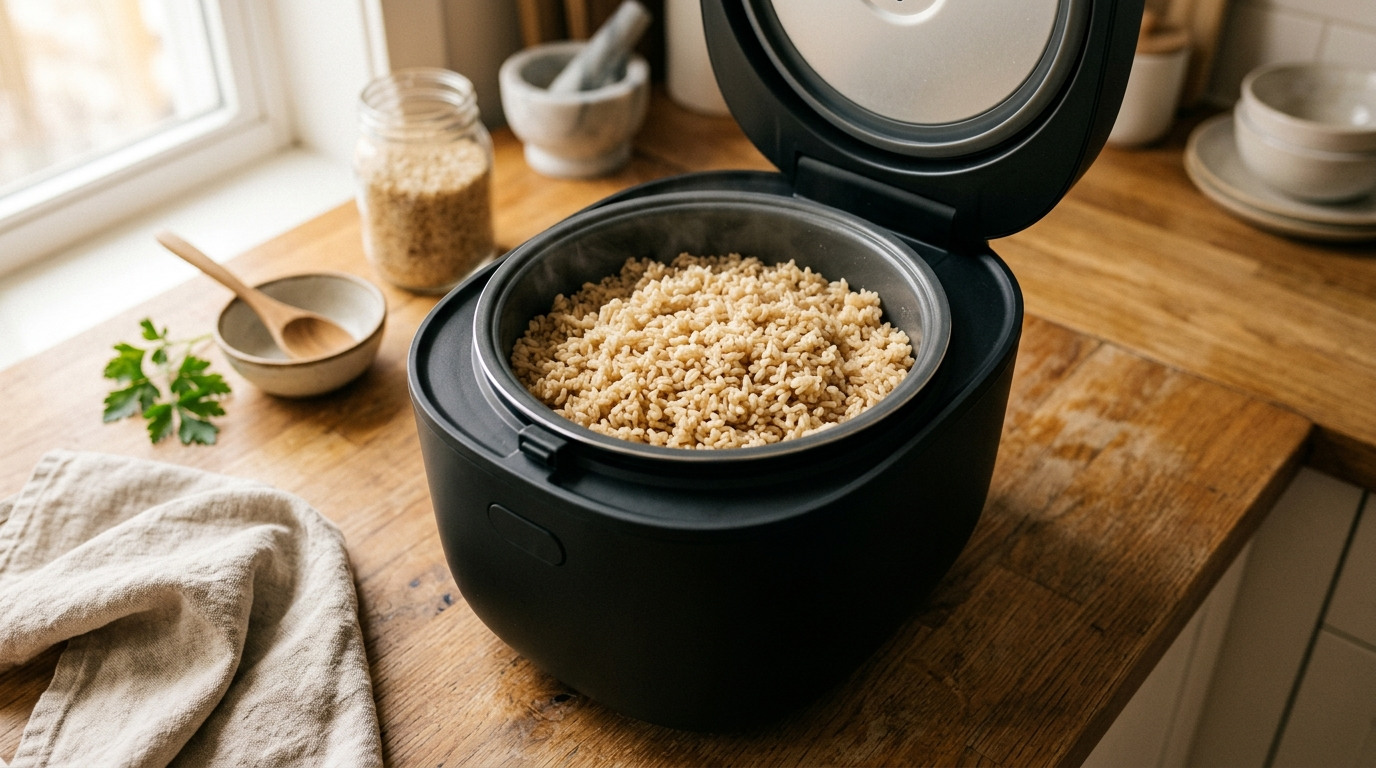
Costco periodically stocks Tiger's JBV-A10U Tacook rice cooker at warehouse-club pricing. Here is what manufacturer specs and verified owner reviews say about the deal, and when Amazon or a Zojirushi upgrade makes more sense.
If you have wandered past the small-appliance endcaps at Costco, you have probably seen a Tiger rice cooker stacked between the air fryers and the blenders, at a price that looks almost too reasonable for a Japanese-brand micom machine. This guide is a research-based look at that deal: what Costco actually stocks, what Tiger’s published specifications say, and what the recurring themes in verified purchaser reviews suggest about whether the warehouse price is the right buy for your kitchen.
As an Amazon Associate we may earn a commission from qualifying purchases made through links on this page, at no extra cost to you.
Which Tiger rice cookers does Costco actually carry?
Costco’s appliance selection rotates constantly, and rice cookers are treated as a seasonal or regional item rather than a year-round staple. The model that shows up most often — in warehouses and on Costco’s site — is the Tiger JBV-A10U, the 5.5-cup micom cooker with Tiger’s “Tacook” synchro-cooking plate. The larger 10-cup sibling, the JBV-A18U, appears occasionally, and Costco has also carried simpler Tiger models in some markets.
That rotation is the single most important thing to understand about the “Costco Tiger rice cooker”: it is not one fixed product. Before you put the box in your cart, check the model number printed on it, because Tiger sells several lines that look nearly identical on a shelf:
- JNP-type conventional cookers — basic thermostat models with no microprocessor, usually the cheapest.
- JBV-type micom cookers — microcomputer-controlled, with multiple menu settings and the Tacook plate. This is the line most Costco deals feature.
- JKT/JKW-type induction models — induction heating, better texture on stubborn grains, and a much higher price. These rarely appear at warehouse prices.
The warehouse deal is only a deal if the model number on the box matches the machine you actually want. If the price looks suspiciously low for a “Tiger fuzzy logic cooker,” there is a good chance it is a conventional model rather than the micom JBV series.
The model you will usually see: Tiger JBV-A10U at a glance
The JBV-A10U is Tiger’s volume seller in North America, and it is the cooker behind most Costco sightings. According to Tiger’s published specifications, the highlights are:
- 5.5-cup uncooked capacity (about 1.0 liter), measured with Tiger’s included measuring cup — which, like all Japanese-brand rice cookers, is a 180 ml cup rather than a US 240 ml cup. If that distinction is new to you, our rice cooker cup size explainer covers why the included cup is smaller than you expect, and our guide to how much cooked rice one cup makes helps you translate capacity into actual servings.
- Micom (fuzzy logic) control, which adjusts cooking time and temperature based on the rice’s condition rather than flipping between full power and off like a basic thermostat cooker.
- Dedicated menu settings for white/mixed rice, quick cooking, brown rice, sweet rice, and porridge, plus a synchro-cooking mode for the Tacook plate.
- A preset timer so rice is ready when you walk in the door, and a keep-warm function listed at 24 hours in Tiger’s documentation — though as we detail in our keep-warm safety guide, that window is a convenience feature, not a food-storage recommendation.
- A nonstick-coated inner pot and the Tacook cooking plate in the box.
For a full walkthrough of the cooker’s menus and quirks, see our Tiger JBV-A10U review, which goes deeper on day-to-day use than this buying-focused piece.
How Tacook “synchro-cooking” actually works
Tacook is the feature that separates the JBV line from every other mid-priced micom cooker at Costco, and it is the reason the model has such a loyal following. The bundled plate sits on stilts above the rice. As the rice cooks, the steam rising off it passes through the plate and cooks a protein-and-vegetable dish at the same time, in the same pot, with no separate settings to manage. You load rice and water below, place seasoned chicken and vegetables on the plate, press the synchro-cooking button, and both components finish together.
The mechanism is ordinary steaming — the same principle behind the techniques in our rice cooker steaming guide — but the integrated plate makes it a one-button, one-pot weeknight dinner rather than a juggling act. The honest tradeoff: steamed dishes are gentle and clean-tasting, never browned or crisped. If you want a Maillard crust on your chicken, a pan is still your friend.
What verified owners consistently say
Synthesizing the recurring themes across verified purchaser reviews at major retailers, a clear pattern emerges — and it is largely, though not entirely, positive.
What owners praise:
- The interface is genuinely simple. Two controls and a menu dial cover everything, which is not true of every fuzzy logic cooker.
- Cleanup is easy. The nonstick pot and the Tacook plate wipe clean, and the cooker does not have many crevices — our cleaning guide notes that fewer removable parts generally means fewer stuck-rice problems.
- The synchro-cooking plate earns its counter space. It is the single most-cited reason buyers say they would repurchase.
- White rice quality is consistently described as very good for the price tier — soft, evenly hydrated, with a modest crust-free bottom layer.
What owners complain about:
- A noticeable plastic or chemical smell during the first few cooks, which typically fades after a few cycles. This is common across new rice cookers of many brands; our new rice cooker plastic smell guide explains the cause and the break-in steps that minimize it.
- Brown rice is merely acceptable. The JBV-A10U does not have induction heating, and reviewers who cook a lot of brown rice often say the texture is good but not at the level of induction or pressure models — a gap we dig into in our best rice cookers for brown rice roundup.
- Very long keep-warm sessions dry out the bottom layer of rice. It is fine for an evening meal; it is not a substitute for refrigeration.
- The hinged lid feels less substantial than the ones on pricier Japanese competitors. Most owners never have an issue, but it comes up in critical reviews.
Costco vs. Amazon: where should you buy?
The case for Costco is straightforward: when the JBV-A10U is in stock, the warehouse price is frequently the lowest available, membership perks apply, and Costco’s famously permissive return policy — administered through its customer service portal — removes most of the risk from trying a new appliance category. The catch is availability and selection: you are buying whichever model your local warehouse happens to carry, in whichever color, during whichever season it appears.
The case for Amazon is selection and certainty. You can choose the exact model number and capacity, read a deep pool of recent verified reviews before committing, and check the current price on Tiger JBV-A10U listings rather than hoping your warehouse has stock. If you want the 10-cup version or a specific colorway, browsing Tiger’s full lineup on Amazon is usually faster than a warehouse run.
Whichever retailer you choose, the same rule applies: match the model number on the box or listing against Tiger’s specifications before paying, because “Tiger rice cooker” spans everything from a basic two-switch cooker to an induction machine at several times the price.
Before you buy: the alternatives worth sixty seconds
The JBV-A10U is a strong mid-price pick, but it is worth knowing what the next dollar buys:
- Zojirushi NS-ZCC10 (Neuro Fuzzy) — Zojirushi’s micom benchmark generally produces slightly more refined texture and carries a reputation for longevity, at a meaningfully higher price. Our Zojirushi vs Tiger head-to-head breaks down where the extra money actually shows up on the plate.
- Pressure and induction cookers — if GABA brown rice, hard grains, or maximal texture are your priorities, pressure models close the gap that the JBV leaves; see our best pressure rice cooker picks and the three-way Cuckoo vs Zojirushi vs Tiger comparison.
- A sanity check on size — 5.5 cups (uncooked, measured with the 180 ml cup) comfortably feeds a family of four to six for a meal. If that is more or less than you need, our rice cooker size guide helps you pick correctly, and our broader 2026 rice cooker buying guide walks through every other decision point.
Verdict: is the Costco Tiger rice cooker worth it?
Yes, with one condition. If the box in your warehouse says JBV-A10U (or the 10-cup JBV-A18U) and the price undercuts the current Amazon listing, you are getting a proven, simple, well-reviewed micom cooker whose synchro-cooking plate is a genuine weeknight convenience rather than a gimmick — with Costco’s return policy as a safety net. Skip it only if brown rice is the majority of what you cook, or if you already know you want induction or pressure cooking; in those cases the money is better spent one tier up.
Frequently asked questions
Does Costco sell Tiger rice cookers year-round? Not reliably. Inventory is seasonal and regional, with the JBV-A10U appearing most often around holiday appliance events. Checking Costco’s site or calling your warehouse before a trip saves a wasted drive.
Is the Costco Tiger model different from the Amazon one? For the JBV-A10U, the core machine is the same; colorways and bundled extras can vary by retailer and batch. Confirm the model number and what is included in the box — the Tacook plate should be in there.
Is a 5.5-cup cooker the right size? For most households of three to six people, yes. Remember the capacity is measured with Tiger’s 180 ml cup, not a US cup — our cup size explainer and size guide make the math simple.
What if the rice cooker smells like plastic at first? That is the most commonly reported break-in issue and it usually fades within the first few cooks. Our plastic smell guide walks through the causes and the cleaning steps that speed it along.
Related Articles
Best Pressure Rice Cooker for 2026: Cuckoo and Zojirushi Picks
Pressure rice cookers seal the pot to cook under raised pressure, often pairing induction heating with fuzzy-logic control for softer, evenly hydrated grains. This guide compares five Cuckoo and Zojirushi models by capacity and menu depth, using manufacturer specs and owner reviews rather than first-hand lab testing.
buying-guidesPanasonic Rice Cookers: Which Model Fits Your Kitchen?
A research-desk guide to Panasonic rice cookers: which US models are actually current, what each tier does, and how the SR-G06FGL and SR-CN108 compare with the import-only SR-ZE185.
buying-guidesBest Rice Cooker for Brown Rice in 2026: Fuzzy Logic & Induction Picks
Brown rice keeps its bran and germ, so it needs more water, a longer cook, and steadier heat than white rice. These fuzzy-logic and induction rice cookers handle all three — here is how to pick.