
Best Korean Rice Cookers (2026): Cuchen & Cuckoo Induction and Pressure Picks
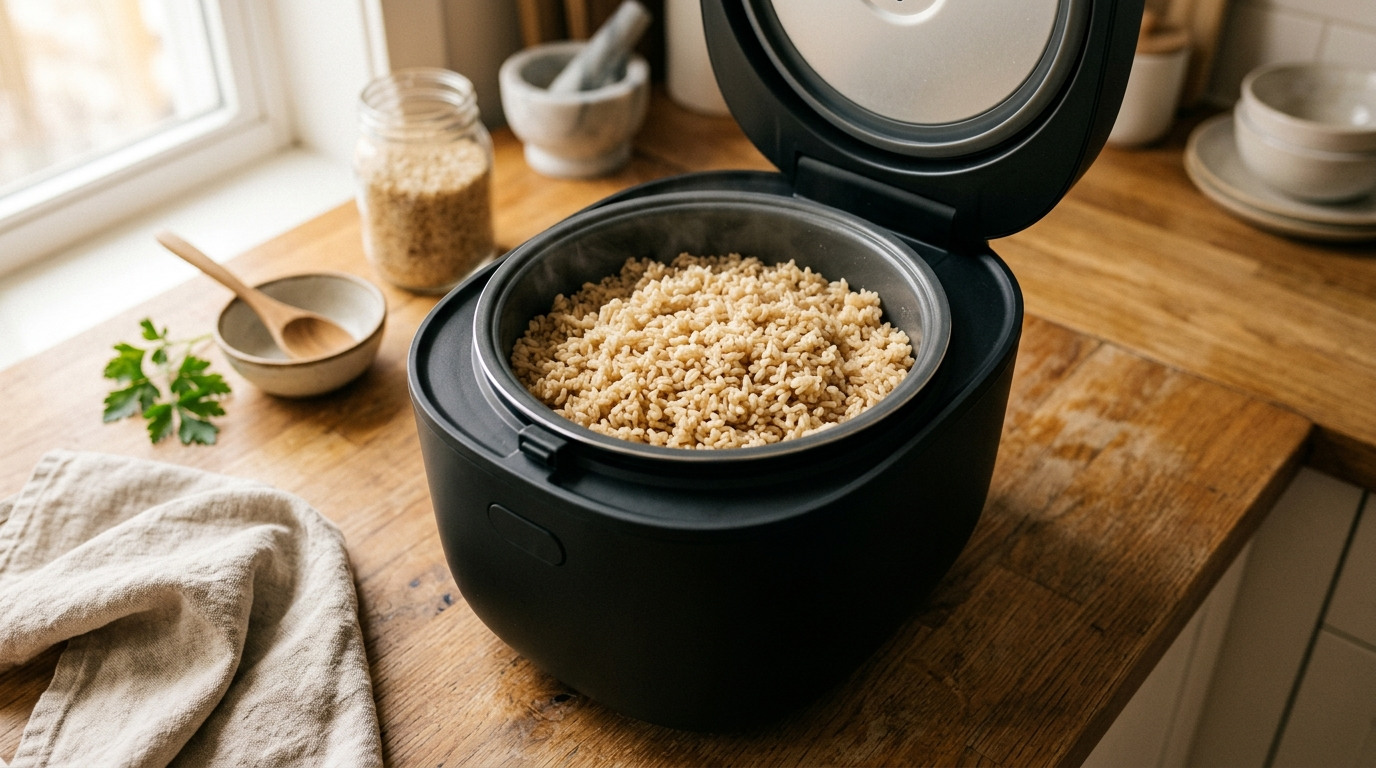
Korean rice cookers lead the world in induction heating, pressure cooking, and multigrain presets. Here's how Cuchen and Cuckoo's best models compare for Korean-style white rice and japgokbap.
As an Amazon Associate we may earn a commission from qualifying purchases made through links on this page, at no extra cost to you.
Korean rice cookers sit at the top of the home rice-cooker market for a reason: brands like Cuchen and Cuckoo popularized the combination of induction heating (IH), pressure cooking, and dedicated multigrain programs that produce the glossy, chewy rice central to Korean meals. This guide is a research-based look at the best Korean rice cookers available right now — built from manufacturer specifications, the brands’ own product pages, and the consensus of verified owner reviews — rather than hands-on lab testing. The goal is to help you pick the right Cuchen or Cuckoo model for your kitchen, your household size, and the kind of rice you actually eat.
For a broader brand overview, see our Korean Rice Cooker Cuckoo guide; this article narrows in on the Korean-market heritage and the multigrain and pressure features that define the category, and it adds Cuchen as a second Korean option alongside Cuckoo.
Why Korean rice cookers stand apart
Three technologies separate premium Korean rice cookers from basic on/off models, and you’ll see all three across the picks below.
Induction heating (IH). Instead of a single heating element under the pot, IH rice cookers use a magnetic field to heat the entire inner pot directly, which produces faster, more even heating and tighter temperature control. Induction and fuzzy-logic control are explained in overview in the Wikipedia article on rice cookers; for a practical look at whether that matters for you, see Is an Induction Rice Cooker Worth It? and our Best Induction Heating Rice Cookers guide.
Pressure cooking. Many top Korean models cook under pressure, which raises the boiling point of water and drives heat deeper into the grain. Owners consistently associate pressure cooking with softer, plumper, glossier rice — especially for mixed-grain and brown rice that benefit from longer, hotter cooking. Both brands publish details on their pressure programs on their own sites: Cuchen and Cuckoo America.
Multigrain presets. Korean home cooking routinely includes japgokbap — white rice cooked with mixed grains such as barley, black rice, beans, and millet. Premium Korean cookers ship with dedicated programs for these blends, which need different water ratios and cook times than plain white rice. Those presets are a core reason buyers choose a Korean-brand cooker over a general-purpose one; for cooking single grains well, see Best Rice Cooker for Brown Rice.
One practical note that comes up again and again in owner reviews: many Korean-market models announce the end of a cook cycle with a voice prompt and ship with Korean (and sometimes English) menu labels. Buyers who don’t read Korean should confirm that the specific listing includes English controls or a translation guide — the same model can be sold in several regional variants.
The best Korean rice cookers for 2026
The four cookers below cover the realistic range: compact and full-size IH pressure models from Cuchen, a Cuckoo twin-pressure cooker, and an affordable Cuckoo micom entry. Capacity here is measured in rice-cooker “cups” (the gō, about 180 ml — smaller than a standard US cup), so a “6-cup” model cooks roughly six modest servings of cooked rice.
Best for smaller households: Cuchen 6-Cup Premium IH Pressure Rice Cooker
Who it’s for. Singles, couples, and small households who want genuine IH pressure cooking without a full-size machine on the counter. It’s also a strong pick if you cook japgokbap or brown rice regularly and want a multigrain program in a compact footprint — pair it with our Best Small Rice Cooker for One Person advice.
Key specs. Per the manufacturer, this is a 6-cup induction-heating (IH) pressure rice cooker from Cuchen’s premium line, with the multigrain and pressure heritage programs the brand is known for. Cuchen is a long-established Korean rice-cooker brand; company and product history are on cuchen.com.
Owner consensus. Verified buyers most often praise the texture and gloss of the rice, the multigrain results, and the keep-warm performance. The recurring complaints are the same ones that show up across premium Korean cookers: the interface and voice prompts lean Korean, there’s a learning curve to the menu, and the price sits well above basic micom cookers. Some owners also note the inner pot is heavy — expected for an IH pot, but worth knowing.
- Pros: IH + pressure cooking in a compact size; multigrain presets; excellent keep-warm; rice texture buyers describe as noticeably better than basic cookers.
- Cons: Premium price; Korean-leaning interface and voice prompts; heavier inner pot; learning curve.
Best for families and batch cooking: Cuchen 10-Cup Premium IH Pressure Rice Cooker
Who it’s for. Larger families, anyone who meal-preps rice, or households that entertain. The 10-cup capacity is sized for big batches; for more on sizing, see our Best Rice Cookers for Families guide and the Rice Cooker Size Guide.
Key specs. The same Cuchen premium IH pressure platform as the 6-cup model, scaled up to a 10-cup capacity with the same multigrain and pressure programs.
Owner consensus. Buyers value the jump in capacity without sacrificing the IH pressure texture, and report that it handles multigrain and sticky white rice well for crowds. The trade-offs mirror the 6-cup version but amplified: a larger footprint, a heavier pot, and the same Korean-leaning interface. Several owners mention it’s simply more cooker than a small household needs.
- Pros: Big 10-cup capacity; IH pressure quality for large batches; multigrain programs; strong keep-warm for leftovers.
- Cons: Large footprint and weight; premium price; Korean-leaning interface; overkill for one to two people.
Best for Cuckoo’s signature pressure modes: CUCKOO CRP-ST0609FG Twin Pressure Rice Cooker
Who it’s for. Buyers who specifically want Cuckoo’s pressure-cooking heritage and the flexibility of two pressure modes. Cuckoo is one of the most recognized rice-cooker brands in South Korea — see the brand’s own site at cuckooworld.com — and this model brings that Korean pressure approach to a 6-cup footprint.
Key specs. Per the manufacturer, the CRP-ST0609FG is a “twin pressure” cooker, meaning it offers two pressure settings so you can choose a higher-pressure cook for softer, glossier rice and a lower/no-pressure mode for gentler results. It’s a 6-cup model in Cuckoo’s pressure line.
Owner consensus. Owners highlight the rice quality, the flexibility of choosing between pressure modes, and the sticky, glossy texture associated with Cuckoo pressure cooking. Common gripes center on the Korean-oriented interface and voice prompts, the price relative to non-pressure cookers, and routine cleaning of the pressure-release valve and inner lid — standard upkeep for any pressure rice cooker, covered in our How to Clean a Rice Cooker Properly guide.
- Pros: Twin-pressure flexibility; Cuckoo’s signature rice texture; good for mixed-grain and GABA-style rice; solid 6-cup size.
- Cons: Higher price than non-pressure models; Korean-leaning interface; valve and inner-lid cleaning; heavier pot.
Best budget entry with fuzzy logic: CUCKOO CR-0675F / CR-0675FW (Amazon)
Who it’s for. Anyone who wants a Korean-brand cooker with fuzzy-logic temperature adjustment but doesn’t need — or want to pay for — induction heating and pressure cooking. It’s the most affordable path into the Cuckoo lineup. To understand where this sits technically, see Fuzzy Logic vs Micom vs Neuro Fuzzy Explained and Neuro Fuzzy vs Micom Rice Cooker.
Key specs. Per the manufacturer, the CR-0675FW is a 6-cup micom (microcomputer) rice cooker using fuzzy-logic control to fine-tune temperature and cook time — rather than the IH pressure platform of the pricier models above.
Owner consensus. Buyers praise the value, ease of use, and noticeably better rice than cheap on/off cookers, and many appreciate the lighter, simpler design. The honest trade-off is that without pressure and induction heating, the texture won’t match the premium picks, and it offers fewer multigrain programs. A few owners note the menu is more basic and the keep-warm is shorter than on the pressure models.
- Pros: Affordable entry to a Korean brand; fuzzy-logic control; easy to use; lighter and simpler.
- Cons: No IH or pressure; fewer multigrain presets; texture below the premium picks; more basic menu.
How to choose the right Korean rice cooker
Narrowing the four picks above comes down to a handful of decisions:
- Capacity. Match the cup size to your household. A 6-cup model suits one to three regular rice eaters; step up to 10 cups for families or batch cooking. Rice-cooker cups are smaller than US cups, so don’t underestimate output — see the size guide.
- Heating type. IH and pressure cost more but produce the glossiest, most even results and shine on multigrain and brown rice. Micom fuzzy logic is the value tier — better than basic cookers, without the premium price. Compare the philosophies in Fuzzy Logic vs Micom.
- Multigrain presets. If japgokbap or mixed grains are a regular part of your meals, prioritize a model with dedicated multigrain programs — the IH pressure Cuchen models and the Cuckoo twin-pressure cooker cover this best.
- Interface and language. Confirm the listing is the English-control version you expect, and that you’re comfortable with any voice prompts. This is the single most common source of buyer frustration with Korean-market cookers.
- Voltage and region. Verify the listing is the US (120V) version with the correct plug. Korean-market cookers are sold in multiple regional variants, and a 220V unit won’t run safely on a standard US outlet.
- Budget. Expect micom fuzzy-logic models at the entry tier and IH pressure models at the top. Decide whether the texture and multigrain gains are worth the jump before you buy — our Rice Cooker Buying Guide walks through the full decision.
Korean rice cooker FAQ
Are Korean rice cookers better than Japanese ones? “Better” depends on the rice you eat. Korean cookers emphasize pressure cooking, induction heating, and multigrain programs tuned for glossy, chewy Korean-style rice, while Japanese brands like Zojirushi and Tiger are known for refined fuzzy-logic control and reliability. For a direct brand comparison, see Cuckoo vs Zojirushi vs Tiger and Zojirushi vs Cuckoo.
Do I really need a pressure rice cooker? Not for plain white rice, where a good micom cooker does fine. Pressure cooking earns its keep for mixed-grain rice, brown rice, and anyone who wants the softest, glossiest texture. If you cook those regularly, the premium is easier to justify.
Why are the menus and voice prompts in Korean? Many of these cookers are designed first for the Korean domestic market and then sold internationally, sometimes with only partial English localization. Check each listing for English controls or a translation card before buying.
Can I cook multigrain rice (japgokbap) in any of these? All four can cook mixed grains, but the IH pressure Cuchen models and the Cuckoo twin-pressure cooker have the dedicated presets and heating power that make multigrain rice easiest and most consistent.
Are these the right voltage for the US? The Amazon listings above are US-market versions, but Korean cookers are sold in several regional variants — always confirm 120V and a US plug on the specific listing you’re buying.
The bottom line
For most small households, the Cuchen 6-Cup Premium IH Pressure Rice Cooker hits the sweet spot of Korean IH pressure cooking and multigrain presets in a manageable size; step up to the Cuchen 10-Cup Premium IH Pressure Rice Cooker for families. If you want Cuckoo’s pressure heritage specifically, the CUCKOO CRP-ST0609FG Twin Pressure Rice Cooker delivers it, while the CUCKOO CR-0675F (ASIN B08WFNV82W) is the sensible budget Micom. Whichever you choose, double-check the interface language and US voltage on the listing — those two details drive more buyer regret than any spec on the box.
Related Articles
Zojirushi Induction Rice Cooker Guide: Which NP Model Should You Buy in 2026?
Zojirushi's induction rice cookers sit at the top of its lineup. This research-based guide compares the NP-GBC05, NP-HCC10, and pressure-induction NP-NVC models so you can pick the right one.
buying-guidesBest Small Rice Cooker for One Person: Top Picks for Solo Cooking
Living solo doesn't mean settling for bad rice. We ranked the best small rice cookers (3-cup and under) for one person based on portion size, footprint, and quality.
buying-guidesBest Rice Cooker for Sushi Rice: Top 5 Picks for Perfect Shari
Sushi rice demands exact texture — firm, glossy, and slightly sticky. We researched rice cookers specifically for sushi rice and ranked the 5 best models for home sushi making.